
Popular course areas
The course areas people ask us about most, and what each one tends to mean for your visa options later.

Health and aged care
On almost every state list, year after year.
Read more ↓
Information and technology
Still nominated by the ACT and NSW.
Read more ↓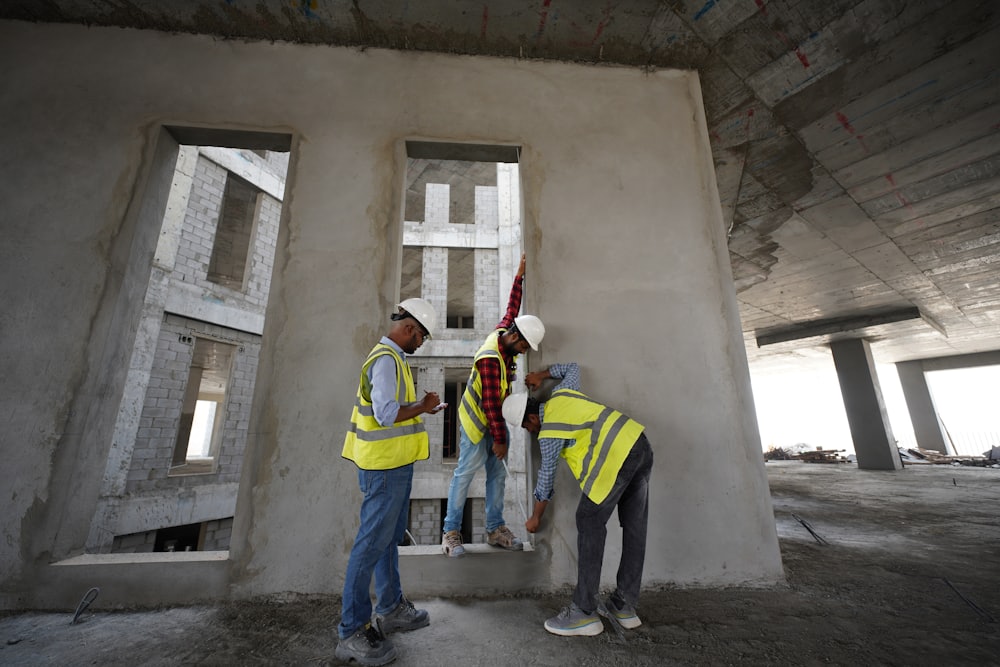
Engineering
Steady for both the 189 and the 190.
Read more ↓
Trades and construction
Real shortages in regional areas and the Territory.
Read more ↓
Early childhood and teaching
A shortage in every state, and it is not easing.
Read more ↓
Accounting and business
Popular, and genuinely competitive for PR.
Read more ↓
Hospitality and cookery
High enrolments, weaker permanent residence path.
Read more ↓
Social work and community services
Overlooked, and better than its reputation.
Read more ↓Below is what we actually tell people when they ask about these areas. It is general information, not advice on your own situation.
Health and aged care
Nursing, aged care and allied health sit on almost every state list. Demand has been steady for years and it is not softening.
For nursing you need AHPRA registration before you can work, and that is a separate process from your visa. Aged care and disability support have lower entry barriers, but the pay and the hours are harder. Both count as real work experience for a skills assessment later.
Information and technology
Cyber security, software development and data roles are still nominated by the ACT and NSW.
Your skills assessment goes through the ACS, and this is where people get caught. The ACS deducts years from your work experience depending on how closely your qualification matches the job. Plan for that from the start rather than finding out at assessment.
Engineering
Civil, mechanical and electrical engineering hold up well for both the 189 and the 190.
Engineers Australia does the assessment and it takes longer than most people expect. If your degree is not from a Washington Accord country you may need a Competency Demonstration Report, which is a serious piece of writing. Start it early.
Trades and construction
Electrical, plumbing, carpentry and automotive trades have real shortages, especially in regional areas and the Territory.
The catch is the assessment. Trade assessments usually need documented paid work, not just a qualification. A Certificate III on its own will not get you there.
Early childhood and teaching
There is a shortage in every state and it has not moved in years.
Teaching needs registration in the state where you will work, and that is separate from both your visa and your skills assessment. Early childhood has a shorter path in, but the diploma and the degree lead to very different roles. Know which one you are signing up for.
Accounting and business
Accounting is popular, and the permanent residence path is genuinely competitive.
The occupation stays on the list, but the points needed for an invitation have sat high for years. If you are going down this road, go in knowing you will likely need strong English, real work experience and probably a state or regional pathway. It is doable. It is not easy.
Hospitality and cookery
Cookery and hospitality management attract very high student numbers, and the permanent residence path is weaker than most people are told.
Chef and cook remain on some lists, but nomination is limited and some providers oversell what the qualification leads to. If somebody has promised you permanent residence through a cookery diploma, get a second opinion before you enrol.
Social work and community services
Social work is overlooked, and the outcomes are better than its reputation suggests.
The AASW assessment is strict about the content of your degree, so check it before you commit. Community and disability services roles are growing quickly alongside the NDIS, though not every one of them sits on a skilled list.
One thing worth saying plainly
Which course you study is a decision for you and your education provider. We are not education agents and we do not take commission from colleges.
What we do is tell you what each path is likely to mean for your visa, before you spend the money. If a course has been sold to you as a route to permanent residence, that is exactly the conversation worth having first.